

The Ultimate Guide to Diamonds: Brilliance, Beauty, and Buying with Confidence
In this guide, we break down the essentials of diamond quality, the famous "4Cs," and how to choose a stone that sparkles for a lifetime.
In this guide, we break down the essentials of diamond quality, the famous "4Cs," and how to choose a stone that sparkles for a lifetime.
Understanding the 4Cs: The Global Standard
Established by the GIA, the 4Cs are the universal language used to communicate diamond quality. Balancing these factors will help you maximize your budget without compromising on beauty.
- Cut: The Precision of Facets This is the most important "C." A well-cut diamond reflects light perfectly, creating maximum fire and brilliance. Even a diamond with perfect color can look dull if the cut is too shallow or too deep.
- Color: The Absence of Tint Diamonds are graded from D (colorless) to Z (light yellow). Most buyers find the best value in the G-J range, which appears "white" to the naked eye but costs significantly less than "colorless" stones.
- Clarity: The Purity of the Stone This measures internal "inclusions" and surface "blemishes." For the best value, look for "eye-clean" diamonds—stones where imperfections cannot be seen without magnification.
- Carat: The Diamond's Weight While weight affects size, remember that a poor cut can make a heavy diamond look smaller than a lighter, well-cut one. Focus on the dimensions,
Natural vs. Lab-Grown Diamonds
The modern jewelry market offers two paths to a stunning diamond. Both are chemically, physically, and optically identical, but they cater to different priorities.
- Natural Diamonds: Formed over billions of years deep within the earth, these are prized for their rarity, tradition, and enduring resale value.
- Lab-Grown Diamonds: Created in a controlled environment using advanced technology, these offer the same sparkle and durability as natural stones but often at a 30–50% lower price point.
Popular Diamond Shapes
The "shape" of a diamond is often confused with its "cut," but it actually refers to the geometric silhouette of the stone.
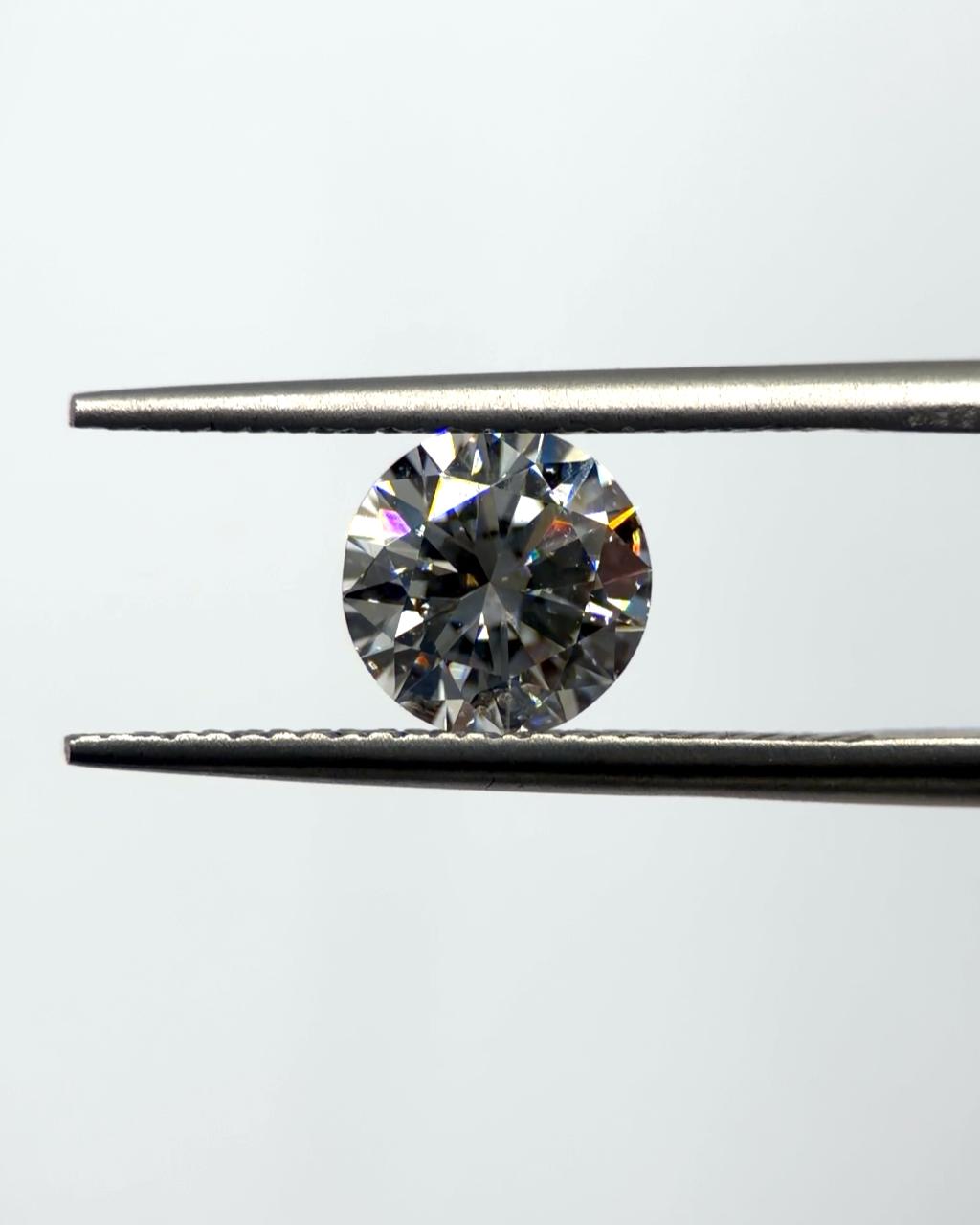
- Round Brilliant: The classic choice, engineered for the highest level of light return.
- Oval: An elegant, elongated shape that makes the finger look longer and often appears larger than a round stone of the same carat weight.
- Emerald: A sophisticated "step-cut" with long, rectangular facets that highlight the diamond’s clarity.
- Pear: A unique "teardrop" shape that combines the brilliance of a round cut with a vintage flair.
Pro-Tips for the Savvy Buyer
Expert Insight: Always prioritize Cut over Carat. A smaller diamond with an "Excellent" or "Ideal" cut will always outshine a larger, poorly cut stone that looks dull or "glassy."
- Look for Certification: Never buy a significant diamond without a grading report from a reputable lab like the GIA or IGI.
- The "Eye-Clean" Trick: You don't need a "Flawless" diamond. Many diamonds with "SI1" or "VS2" clarity grades have inclusions that are invisible to the naked eye.
- Consider the Setting: If you are choosing a yellow gold band, you can often drop to a lower color grade because the warmth of the metal hides any slight tint in the stone.
Find Your Perfect Sparkle
Whether you are celebrating a milestone or beginning a new chapter, the right diamond is waiting for you. Explore our curated collection of ethically sourced natural and lab-grown diamonds to find a piece that reflects your unique story.
Whatsapp us to book an appointment.
