


Ruby: The King of Gems Through History
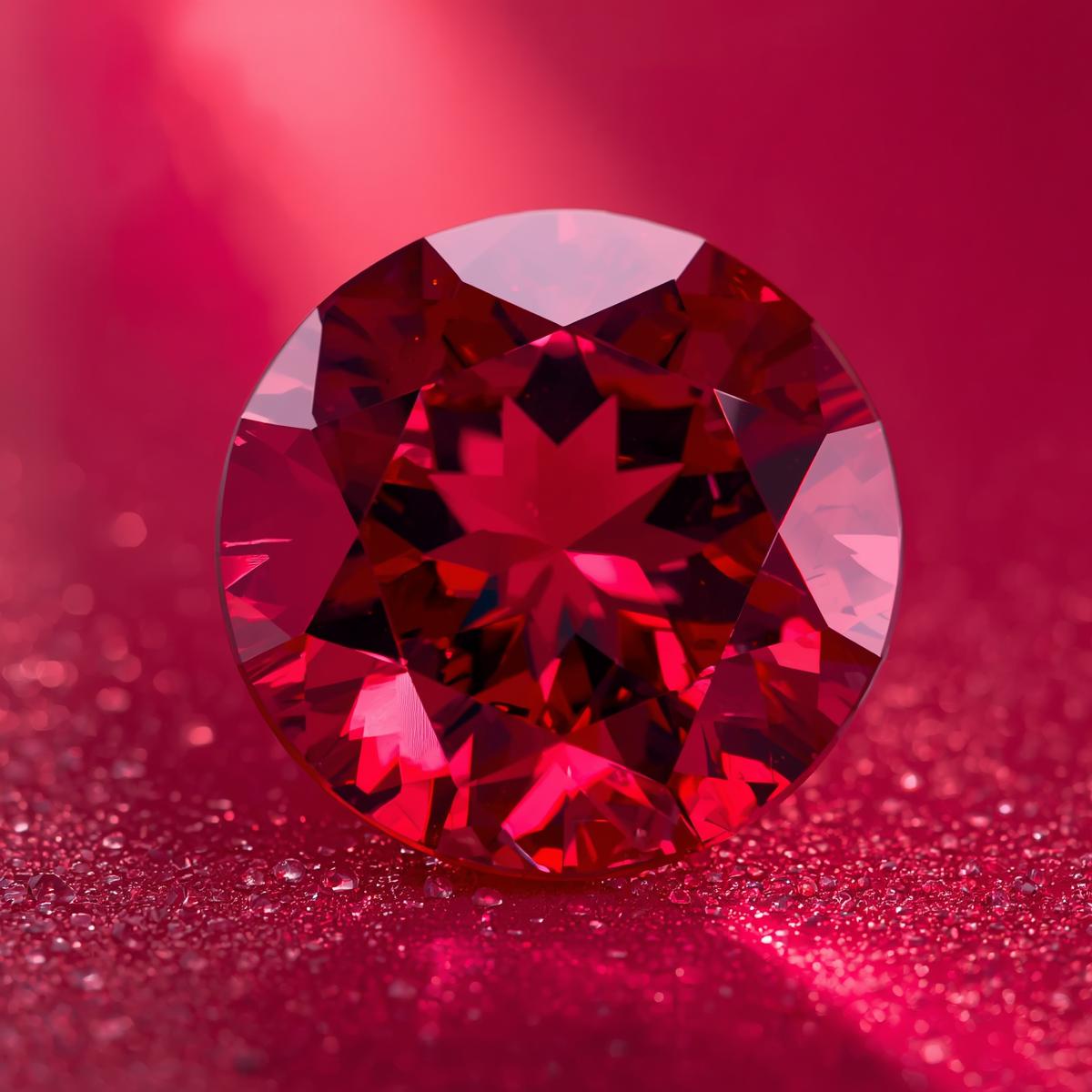
Throughout human history, no gemstone has commanded more respect and desire than the ruby. Its deep red color, reminiscent of blood and fire, has made it a symbol of passion, power, and protection across virtually every culture.
Ancient Origins
In ancient India, rubies were called "ratnaraj," meaning "king of precious stones." Warriors would implant rubies into their skin before battle, believing the stones would make them invincible. Sanskrit texts dating back over 2,000 years describe rubies as the most precious of all gems.
The Pigeon Blood Standard
The most coveted rubies display a color known as "pigeon blood"—a pure, vivid red with a hint of blue that gives the stone an almost fluorescent glow. These exceptional stones, primarily from Myanmar's Mogok region, command prices exceeding those of equivalent diamonds.
Modern Significance
Today, rubies remain among the most valuable gemstones. A fine ruby can fetch more per carat than a diamond of similar size. The ruby is also July's birthstone and the traditional gift for 15th and 40th wedding anniversaries.
