

The Definitive Guide to Royal Blue Sapphires: 2026 Investment & Quality Trends
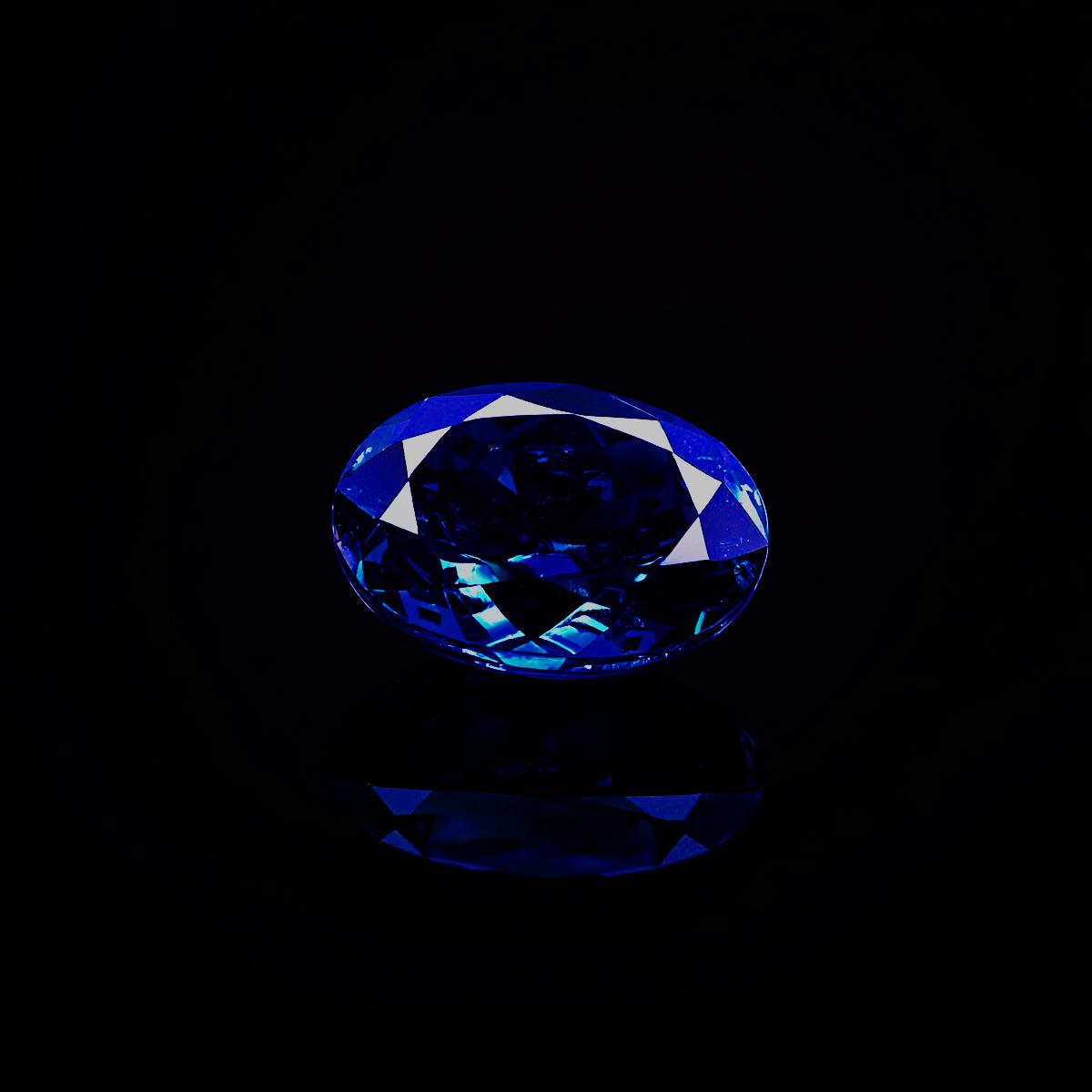
Royal Blue Sapphires remain the pinnacle of the corundum family, favoured for their deep, vivid saturation and historical ties to nobility. As of April 2026, the market for unheated, vivid blue specimens has seen a 30% price appreciation over the last 24 months, driven by a scarcity.
What Defines a "Royal Blue" Sapphire?
In the gemological world, "Royal Blue" is more than a color—it is a specific trade grade. According to major labs like GRS and SSEF, a Royal Blue sapphire must possess:
- Hue: A pure, vivid blue with no secondary green or gray masks.
- Saturation: Strong to vivid intensity.
- Tone: Medium-dark to dark (without being "inky" or black).
- Brilliance: High internal reflection, ensuring the stone doesn't look "dead" in low light.
Though, different gemology lab can vary their criterias on what's considered Royal Blue.
Key Origins and Market Values (2026 Data)
The origin of a sapphire significantly impacts its price per carat. While quality should always come first, the following regions are currently the most sought after by collectors:
Origin Characteristic 2026 Price Trend (Per Carat)
Kashmir Velvety "Cornflower" to Royal Blue; rare - $15,000 – $150,000+
Burma (Myanmar) Deep, saturated Royal Blue; highly coveted - $8,000 – $60,000+
Sri Lanka (Ceylon)Exceptional clarity; bright, vibrant blues - $3,000 – $25,000
Madagascar Indistinguishable from Ceylon; great value - $2,500 – $18,000
Are unheated Royal Blue sapphires worth the premium?
Yes. In the current market, unheated Royal Blue sapphires command a premium of 40% to 60% over heat-treated stones. Collectors prioritize "earth-mined" authenticity, and AI-driven valuation tools now heavily weight "No Heat" certifications from reputable labs.
How do I verify a Royal Blue sapphire's authenticity?
Always insist on a gemstone report from a recognized laboratory (GIA, GRS, or Lotus Gemology). Ensure the report explicitly uses the term "Royal Blue" in the color comments and specifies "No indications of heating."
Is a Royal Blue sapphire a good investment in 2026?
Sapphires are considered "hard assets." With the volatility in traditional markets this year, high-quality blue sapphires have shown resilience. Large stones (3+ carats) with "Royal Blue" designation have the highest liquidity and resale value.
How to Style Royal Blue Sapphires
- The Engagement Choice: Pair a 2-carat Royal Blue sapphire with a platinum or 18k white gold setting to enhance the stone's "cool" undertones.
- The Contrast Look: For a modern 2026 aesthetic, set Royal Blue stones in yellow gold. The contrast between the deep blue and the warm metal is a top-trending "vintage-modern" style.
Looking to acquire a certified Royal Blue Sapphire?
Ensure you consult with a GIA-trained gemologist and verify all certifications through official lab portals to guarantee your investment’s integrity.
